Business owner or manager?
Your questions answered
What qualifications should I look for in a dermatologist?
When choosing a dermatologist in Dubai, it is essential to consider their qualifications to ensure you are receiving quality care. Look for a dermatologist who is board-certified and has completed their dermatology residency training. Also, check if they have expertise in the specific skin condition you are seeking treatment for. Experience, reputation, and patient reviews are also essential factors to consider when selecting a dermatologist. Make sure to verify their credentials and any affiliations with reputable medical institutions. Furthermore, it is recommended to inquire about the dermatologist's approach to treatment, as well as the technology and techniques they use. A good dermatologist will take the time to listen to your concerns, provide personalized care, and offer solutions tailored to your needs. Prioritize finding a dermatologist who values professionalism, patient comfort, and ongoing education to stay updated on the latest advancements in dermatology.
What skin conditions can a dermatologist treat?
A dermatologist in Dubai can treat a wide range of skin conditions, including acne, eczema, psoriasis, dermatitis, rosacea, and skin infections. They are also trained to address hair and nail disorders, as well as cosmetic concerns such as wrinkles, pigmentation issues, and scarring. Dermatologists are skilled in diagnosing and managing skin cancer, moles, warts, and other skin growths. They can perform skin biopsies, surgical procedures, and cosmetic treatments to improve the health and appearance of your skin. Whether you are dealing with a common skin issue or a more complex dermatological condition, a dermatologist can provide expert diagnosis, treatment, and follow-up care. Dermatologists in Dubai are equipped with the knowledge and resources to help you achieve healthy, radiant skin and address any concerns you may have about your skin's health and appearance.
How often should I see a dermatologist for skin check-ups?
The frequency of skin check-ups with a dermatologist can vary depending on your skin type, age, medical history, and any pre-existing skin conditions. As a general guideline, it is recommended to schedule an annual full-body skin examination with a dermatologist to screen for skin cancer, moles, and other abnormalities. Individuals with a history of skin cancer, a family history of skin cancer, or a high risk of sun exposure may require more frequent skin check-ups. Dermatologists can also provide personalized recommendations on how often you should see them based on your individual skin care needs and concerns. Regular visits to a dermatologist can help detect skin issues early, prevent potential complications, and maintain healthy skin. If you notice any changes in your skin's appearance, texture, or sensation between appointments, do not hesitate to contact your dermatologist for further evaluation.
What are the common dermatological treatments offered by dermatologists in Dubai?
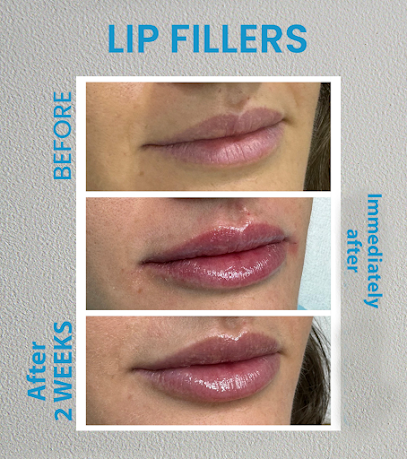
Dermatologists in Dubai offer a wide range of dermatological treatments to address various skin concerns and conditions. Common treatments include topical medications for acne, eczema, and psoriasis, as well as oral medications for severe skin conditions. Dermatologists also perform cosmetic procedures like Botox injections, dermal fillers, chemical peels, and laser therapies to rejuvenate the skin and reduce signs of aging. Moreover, dermatologists in Dubai specialize in treating skin cancer through surgical excision, cryotherapy, chemotherapy, and other advanced techniques. They can also provide solutions for hair loss, nail disorders, and chronic skin conditions using a combination of medical, surgical, and cosmetic approaches. Whether you need treatment for a specific skin issue or are interested in enhancing your skin's appearance, a dermatologist can offer personalized care and tailored solutions to meet your unique needs.
 #1