Business owner or manager?
Your questions answered
What are some iconic buildings in Dubai?
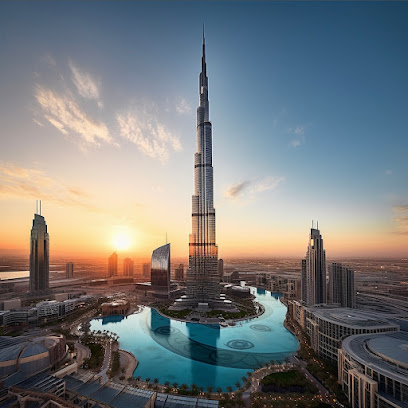
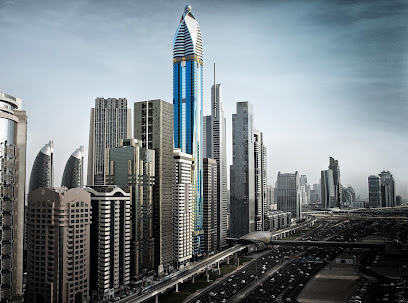
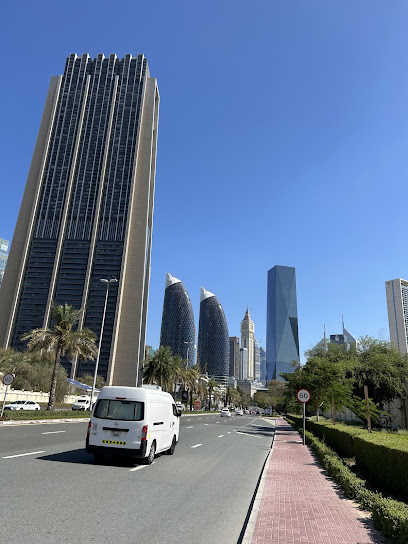
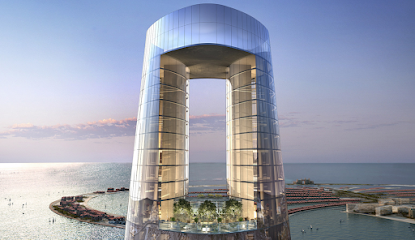
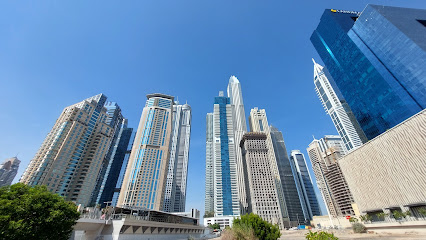
Dubai is known for its impressive skyline filled with futuristic skyscrapers and innovative architectural designs. Some of the most iconic buildings in the city include the Burj Khalifa, the tallest building in the world standing at over 828 meters, the Burj Al Arab, a luxury hotel in the shape of a sail, and the Dubai Marina, a waterfront development with stunning residential skyscrapers. Other noteworthy buildings in Dubai are the Cayan Tower, also known as the Twisting Tower for its unique spiraling shape, and the Emirates Towers, a twin-tower complex that is a symbol of modern Dubai. Each of these buildings contributes to the city's reputation as a global architectural marvel.
How were the buildings in Dubai constructed?
The construction of buildings in Dubai is a complex and coordinated process that involves skilled architects, engineers, and construction workers. The process typically begins with the design phase, where architects create detailed plans and blueprints for the structure. These designs are then presented to developers and investors for approval. Once the design is finalized, construction crews begin the process of laying the foundation, erecting the steel or concrete framework, and adding the exterior finishes. Many buildings in Dubai feature advanced construction techniques such as prefabrication and modular construction to expedite the building process and ensure high quality. Throughout construction, strict quality control measures are in place to ensure that buildings in Dubai meet safety standards and regulations. Regular inspections and testing help to identify any potential issues and ensure that the finished building is safe and structurally sound.
Are there any sustainable buildings in Dubai?
As a city known for its luxury and opulence, Dubai is also making strides in building sustainable and environmentally friendly structures. Several buildings in Dubai have achieved LEED certification, which recognizes buildings for their energy efficiency, water conservation, and overall environmental impact. One example of a sustainable building in Dubai is the Emirates Towers, which features green roofs, energy-efficient lighting, and water-saving fixtures. Another notable project is the Masdar City development, a planned eco-friendly city that prioritizes renewable energy sources and sustainable building practices. The Dubai government has also implemented initiatives such as the Dubai Clean Energy Strategy to reduce carbon emissions and promote the use of renewable energy. These efforts demonstrate Dubai's commitment to building a greener and more sustainable future.
Can tourists visit the buildings in Dubai?
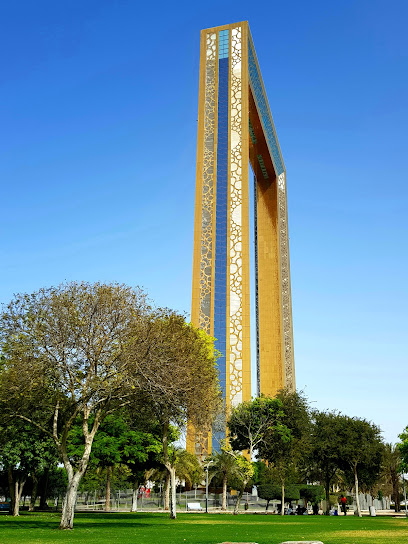
Many of the iconic buildings in Dubai are open to tourists for visits and guided tours. The Burj Khalifa, for example, has an observation deck on the 124th floor where visitors can enjoy panoramic views of the city. The Burj Al Arab offers high tea experiences and access to its luxurious amenities for guests. Other popular attractions for tourists include the Dubai Frame, a giant picture frame structure with observation decks showcasing the old and new parts of the city, and the Palm Jumeirah, an artificial palm-shaped island with luxury resorts and entertainment options. Visitors to Dubai can also explore the Dubai Mall, which is home to unique attractions such as an indoor ski slope and an aquarium, making it a popular destination for tourists looking to experience the city's modern architecture and entertainment offerings.